A cluttered website is one of the quickest ways to drive potential customers away. Think of your website like a room in your home—if it’s filled with boxes stacked messily on top of each other, it’s difficult to find what you need.
Your website visitors don’t want to navigate a chaotic digital space. They’re looking for solutions to their problems, and they want those solutions to be clear, accessible, and easy to find. If your website is too overwhelming, they’ll leave before even discovering what you have to offer.
Let’s explore five effective ways to declutter your website and create a more engaging experience for your visitors.
1. Simplify Your Menu
An overloaded menu confuses and overwhelms your visitors. Instead of offering endless options, streamline your navigation to include only the most important pages. Clearly label your menu items with simple, descriptive language to make navigation effortless.
Too many choices can lead to decision paralysis, causing visitors to bounce from your site before taking any meaningful action. Keep your navigation simple, intuitive, and goal-focused to enhance usability and improve engagement.
2. Allow White Space to Breathe
White space is a powerful yet often overlooked design element. It breaks up content into easily digestible sections and helps emphasize key elements like headlines, images, and calls to action.
A website without sufficient spacing between sections can feel overwhelming and cluttered. Instead of cramming everything onto one screen, embrace white space to create a clean, visually appealing layout that guides visitors naturally through your content.
3. Use Images Sparingly
While images enhance visual appeal, using too many can make your site feel chaotic. Every image should serve a clear purpose—whether to support a key message, showcase a product, or improve user experience.
Instead of filling your homepage with an excessive number of images, be strategic in their placement. Ensure they are high-quality, relevant, and optimized for fast loading speeds to avoid slowing down your website.
4. Use Valuable Content Only
If a piece of content isn’t providing value to your visitors, it doesn’t belong on your website. Conduct regular content audits to assess whether your information is still relevant, engaging, and aligned with your brand’s goals.
Clear, concise, and well-organized content enhances readability and keeps visitors engaged. Prioritize high-quality content that answers your audience’s questions efficiently and encourages them to take action.
5. Dial Back the Colors
Vibrant, eye-catching colors can be engaging, but too many bright hues can create visual overload. Instead of using multiple bold colors throughout your website, opt for a balanced approach.
Use neutral tones for backgrounds and incorporate bold colors as accents for buttons, call-to-action elements, or key features. A well-thought-out color palette improves readability, enhances user experience, and helps guide visitors toward conversion.
Final Thoughts
Decluttering your website isn’t just about aesthetics—it’s about creating a better experience for your visitors. By simplifying your menu, utilizing white space, strategically placing images, refining your content, and streamlining your color palette, you’ll make your website more user-friendly and engaging.
A clean, easy-to-navigate website encourages visitors to stay longer, explore more, and ultimately take action—whether that means making a purchase, booking a service, or signing up for your newsletter. Start decluttering today and watch your website’s engagement grow!
If your website was a person trying to sell a great new business idea, would it pass the elevator pitch?
You have approximately 5 seconds to grab the attention of somebody visiting your website. If nothing engages them or communicates a clear message, they’ll quickly leave, never to return again.
So what can you do to ensure your website grabs your visitor’s attention instantaneously? Let’s take a look at 5 examples of websites that make a great first impression.
1. Clear and Engaging Message
A website should instantly reassure visitors that they’re in the right place. A concise, compelling message helps first-time visitors quickly understand what the site offers. The message should answer three key questions immediately: What is this? Who is it for? Why should I care? If a visitor has to dig for answers, they’re likely to leave before engaging further.
A strong first impression often hinges on clarity and simplicity. Businesses like Dropbox, Airbnb, and Slack use brief, punchy headlines that leave no room for confusion. The moment a visitor lands on their homepage, they understand the value proposition. A great website message doesn’t just inform—it resonates with the target audience, making them feel like they’ve found exactly what they need.
Takeaway: Use concise headlines and subtext to immediately inform visitors about your service or product.
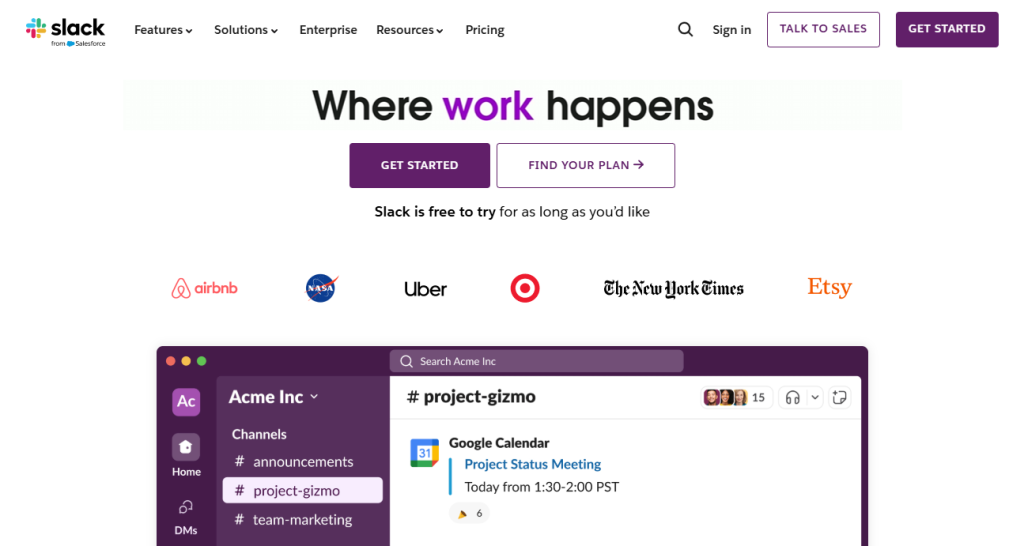
Slack’s “Where work happens” message removes any confusion about the product’s function.
2. Visually Stunning and Brand-Consistent Design
A website’s design is often the first thing a visitor notices. The combination of colors, typography, layout, and imagery plays a crucial role in building trust and reinforcing brand identity. A well-designed website should evoke a positive emotional response, making visitors want to stay and explore. It’s not just about looking pretty—it’s about usability and storytelling through design.
For example, Apple’s website embraces minimalism with clean lines, ample white space, and high-quality imagery that conveys a sense of sophistication. Nike’s bold visuals reflect the energy and passion of sports, while Mailchimp uses a quirky, friendly design to make digital marketing feel accessible and engaging. These brands leverage design elements to create a strong emotional connection with their audience.
Takeaway: Keep visuals clean, brand-aligned, and engaging to make a lasting first impression.
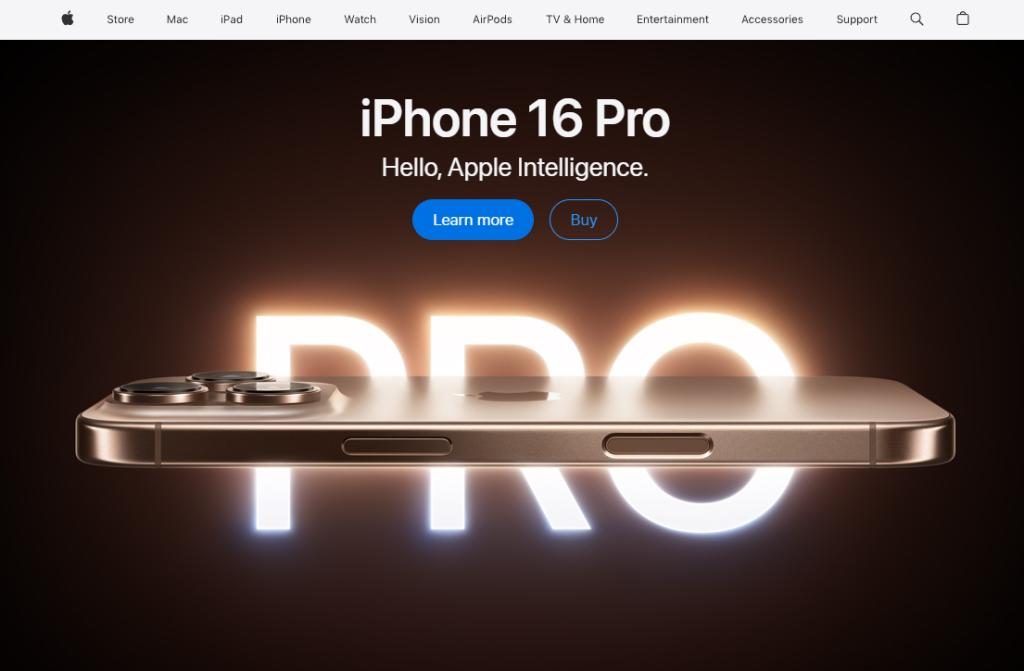
Clean, minimalist design with high-quality product images help shape Apple’s premium feel.
3. Fast and Efficient Loading Speed
Speed is one of the most critical factors in user experience. Studies show that if a page takes longer than three seconds to load, over half of users will abandon it. This means even the most beautifully designed website will fail if it doesn’t load quickly. Speed influences not only user retention but also search engine rankings, making it essential for overall performance.
Brands like Google, Amazon, and Shopify prioritize speed through optimized images, caching, and efficient coding. They ensure that visitors don’t experience unnecessary delays, keeping engagement levels high. Google’s ultra-lightweight homepage loads instantly, while Amazon and Shopify use advanced content delivery networks (CDNs) to handle high traffic loads without lag. These optimizations significantly impact conversions and user satisfaction.
Takeaway: Use tools like Google PageSpeed Insights to test and improve your site’s speed.
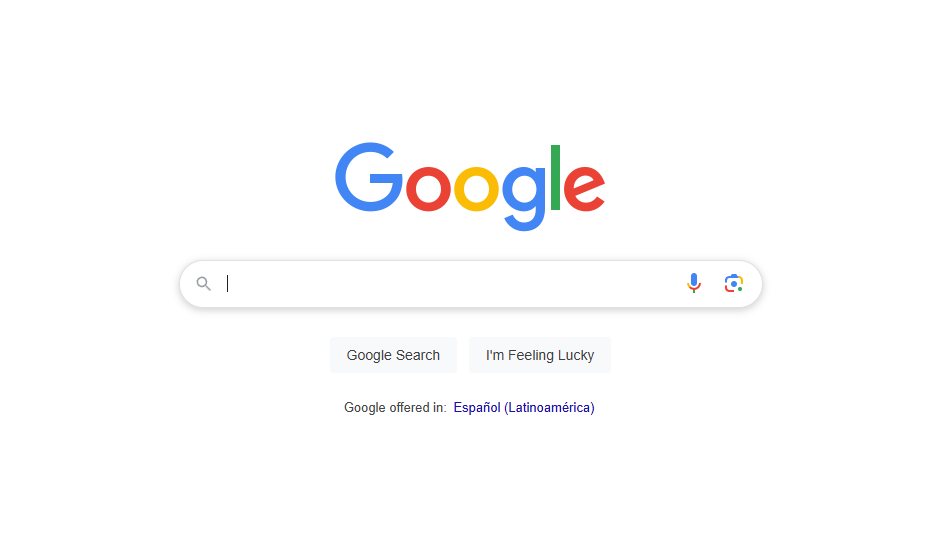
Google loads almost instantly with a lightweight, optimized structure.
4. Easy and Intuitive Navigation
Navigation plays a crucial role in guiding visitors through a website and helping them find the information they need quickly. A confusing or cluttered menu can frustrate users and drive them away. Great websites have clear, structured navigation that makes moving from one page to another seamless. Simple layouts, logical categories, and well-placed calls to action (CTAs) improve usability and engagement.
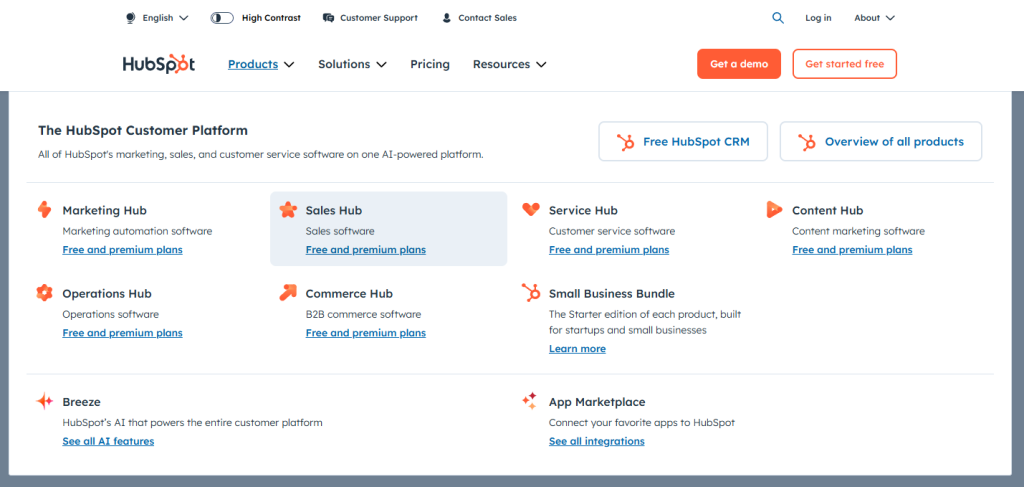
Zappos, BBC News, and HubSpot excel in navigation design by prioritizing user experience. Zappos categorizes products effectively, making shopping easy. BBC News presents articles in an organized manner, allowing readers to quickly access relevant content. HubSpot offers a user-friendly dropdown menu and search bar, ensuring visitors can locate tools and resources effortlessly. These websites show that intuitive navigation encourages users to explore further.
Takeaway: Make navigation intuitive with a clear menu structure and search functionality.
HubSpot’s simplified dropdown menus and search features improve usability for first-time visitors.
5. Engaging and Persuasive Copy
The words on a website play a huge role in influencing visitors. Great copywriting is not just about providing information; it’s about crafting a message that connects with the audience and persuades them to take action. The best websites use clear, compelling, and benefit-driven language to hook readers instantly. Avoiding jargon and keeping messaging concise ensures visitors quickly grasp the core message without feeling overwhelmed.
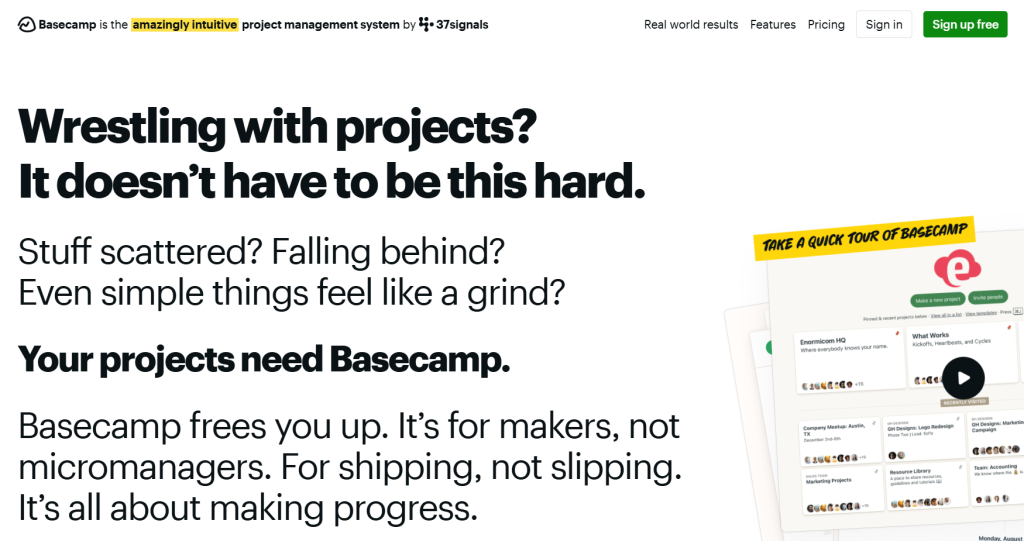
For example, Basecamp’s conversational tone makes project management feel approachable. Trello highlights its ease of use with simple, engaging language, while Spotify’s copy encourages immediate action with phrases like “Play millions of songs for free.” These brands understand that copywriting isn’t just about what you say—it’s about how you make the visitor feel.
Takeaway: Ensure your website copy is concise, benefits-driven, and easy to read to keep visitors engaged.
Basecamp’s conversational and relatable copy makes project management feel simple.
What about your website?
Now that we’ve discussed that making a great first impression with your website requires balancing message clarity, visuals, speed, navigation, and copy, is your website making the right first impression?
Use these examples as inspiration to refine your own site or let us help you create a high-performing, visually engaging, and fast-loading website that and turns first-time visitors into engaged users.
Whether you’re a natural at small talk or you run at the thought of it, talking to your customers is one of the best ways to increase trust in your business. Engaging in conversations on social media can seem daunting, but it’s an essential part of building a strong relationship with your audience. It helps to humanize your brand, making it more relatable and trustworthy.
Finding interesting things to say on social media doesn’t always come easily to everyone, and that’s especially true when it comes to your brand. However, with a bit of creativity and strategic thinking, you can turn your social media platforms into vibrant hubs of interaction.
Let’s take a look at some examples of great conversation starters that you can use. These pointers will help you engage your audience and foster a sense of community around your brand.
Share a Story
Sharing a story your customers will identify with is a great way to start generating conversations. Can you think of an experience you had that your audience will relate to? Start there and form a story around it, and make sure to ask a question at the end, prompting your readers to respond.
For example, you could share a story about a challenging project you worked on and how you overcame the obstacles. People love to hear about triumphs over adversity, and it makes your brand more relatable. End your story with a question like, “Have you ever faced a similar challenge? How did you overcome it?” This invites your audience to share their experiences, creating a two-way conversation.
Customer Spotlights and Case Studies
Another great way to get people talking is to share a customer spotlight on social media. Not only is it relevant to your brand, but your community might recognize that customer and encourage them to interact with the post. You can then ask them to share more information about their experience with your brand.
For instance, you could feature a loyal customer who has been using your product for years. Highlight their journey and the benefits they’ve gained from using your services. Ask questions like, “What’s your favorite feature of our product?” or “How has our service made a difference in your daily life?” This not only promotes your brand but also shows appreciation for your customers, making them feel valued and heard.
Give an Opinion
People love to share their opinions, and they’re an effective way to start a discussion. Sharing an opinion on a recent trend, something within your industry, or just a general topic can invite others to do the same. This is a wonderful way to gain more insight into your customers and to open up a helpful dialogue.
For example, if there’s a new trend in your industry, share your thoughts on it. Do you think it’s beneficial or overrated? Ask your audience for their opinions with questions like, “Do you agree with this trend? Why or why not?” This not only sparks a conversation but also positions you as a thought leader in your field.
Share a New Idea
Customers love to feel like they’re included in a brand’s decisions, especially if they’ve followed it for a long time. Sharing an idea you have for your brand can spark lots of new conversations, especially if you invite your audience to share their thoughts on it.
For example, if you’re considering launching a new product or service, share the idea with your followers. Explain the concept and why you think it’s a good fit for your brand. Then ask for their feedback with questions like, “What do you think of this new idea?” or “Would you use this product/service?” This not only engages your audience but also provides valuable insights that can help shape your business decisions.
Ask for Feedback
It sounds obvious, but asking for your customers’ opinions is a fantastic way to get the conversation flowing. You could try something different from the usual request for reviews. Perhaps you could talk about something more specific, like a certain product or service you provide and what their favorite thing is about it. When you get people to narrow down what they’re talking about, you can gain more nuanced insight into how you can help them more in the future.
For instance, if you’ve recently launched a new feature on your website, ask your audience what they think about it. Pose questions like, “What’s your favorite part of our new feature?” or “How can we improve it?” This not only shows that you value their opinion but also helps you gather constructive feedback that can enhance your offerings.
Final Thoughts
Engaging with your audience on social media is crucial for building trust and fostering a sense of community around your brand. By using these conversation starters, you can create meaningful interactions that not only promote your business but also show your customers that you value their input.
Remember, the key to successful social media engagement is to be genuine, approachable, and responsive. Encourage your audience to share their thoughts, experiences, and opinions, and always take the time to respond thoughtfully. By doing so, you’ll build stronger relationships with your customers and create a loyal community that supports your brand.
Ever landed on a website and felt like, “Wow, this place gets me!” Or on the flip side, clicked away faster than you can say “scroll”? What’s the deal with that? We’re about to unravel the mysteries of why some websites are the life of the digital party while others are just wallflowers.
Imagine your website is a party, and user engagement is the secret sauce that keeps everyone dancing. It’s not just about getting people through the virtual door; it’s about making them want to stay, explore, and ultimately becoming loyal customers or followers.
Your website needs to make a good impression. That split-second judgment can decide if your visitor is in for a long hangout or just a quick ‘nice knowing you’.
Your website needs to make a good impression. That split-second judgment can decide if your visitor is in for a long hangout or just a quick “nice knowing you.” We’re diving into the art of making that first moment count because, let’s face it, first impressions matter, even in the digital world.
1. Put your valuable content “above the fold”
Let’s zone in on the hotspot of your website—the magic that happens above the fold. Imagine this space as the instant answer section, where your visitors get what they came for without having to scroll. When someone clicks through from the search results, they’re not looking for a digital scavenger hunt; they want answers, and fast.
Picture this: Someone googles “why is my lawn dying?” and lands on your page. Boom! Right there, above the fold, they see the answer—the lifeline to their browning backyard dilemma. That’s the power move we’re talking about. Your content should scream, “Hey, you asked, and I’ve got the solution right here!”
Wondering why it’s crucial to have your answer visible without making visitors scroll? It’s like walking into a store and finding exactly what you need right at the entrance. Instant gratification. Same goes for your website. Above the fold is the handshake moment—showing your visitors they’ve hit the jackpot of helpful info.
Now, let’s talk headlines. Craft them like neon signs—bright, bold, and impossible to ignore (just don’t make them actual neon-colored though). If someone is asking, “Why is my lawn dying?” make sure your headline screams, “Here’s why, and here’s how to fix it!” Your headline is the beacon that guides lost souls (or just frustrated gardeners) straight to the answers they crave.
Want a secret to keep them hooked? Showcase the answer, but leave a trail of breadcrumbs—additional content below the fold. It’s like saying, “Got your answer? Great! Now, here’s some bonus knowledge to make you the lawn guru of the neighborhood.”
2. Use media (images, videos and audio) to craft an experience
Alright, let’s dive into the real MVPs of your website—images, videos, and audio. These not only make things look good, they create an experience that keeps your audience hooked, like a good playlist at a party.
Ever notice how a picture is worth a thousand words? Well, on your website, images are like the storytellers. They add context, flavor, and a dash of personality to your message. It’s not just about reading; it’s about seeing and feeling the vibe you’re putting out.
Now, videos, they’re the headliners. Want to showcase a new product or demonstrate a cool feature? Videos are your stage. They’re not just entertaining; they add a layer of credibility. It’s like saying, “Hey, we’re not just telling you about it; we’re showing you.”
And let’s not forget audio. Sometimes, words need a rhythm. Audio is like the jazz band in the background, offering a different way to enjoy your content. Sometimes it’s not just about what you say; it’s about how you say it.
Why does all this matter? Because visual content isn’t just eye candy; it’s the secret sauce to keep your readers glued. Images add that extra dimension to your story, videos bring concepts to life, and audio lets your audience lean back and enjoy a different kind of storytelling.
This also helps visitors who might consume media differently. Think about those times when you wanted to watch a video on a topic and could only find lengthy articles, or vice versa, those times when you wanted to read a blog post and could only find videos. Having multiple media options allows your visitors to choose the one that works best for them.
3. Use internal linking to keep visitors engaged
You know those moments when you’re reading an article and a link appears, promising more interesting stuff? That’s the power of internal links. They’re act like breadcrumbs, leading your audience from one awesome discovery to another right within your website.
So, are you actively playing matchmaker with your content, connecting related topics like a digital cupid? Understanding the art of internal linking means creating a roadmap for your users, ensuring they don’t miss out on the best parts of your content treasure trove.
The sweet spot? Not too many links to overwhelm, but just enough to be the helpful guide your visitors didn’t know they needed. It’s the balance between nudging them to explore more and letting them enjoy the content without feeling like they’ve stumbled into a maze.
And here’s the best part – internal links aren’t just for navigation, they’re your secret weapon against bounce rates.
When your visitors stumble upon a smooth flow of related content, it’s like inviting them on a journey through a digital wonderland. They get hooked, explore deeper, and are more likely to kick back and stay awhile.
4. Talk directly to your reader
Ever read something that feels like it’s speaking directly to you? That’s the sweet spot—tailoring your content to hit your readers right in the feels. It’s about understanding their quirks, needs, and curiosities.
So, how do you strike up this conversation? Picture this: Instead of a stiff academic lecture, your content’s like chatting with a friend over coffee. A conversational tone not only keeps them interested but also makes them feel at home.
Want to take it up a notch? Invite your readers to join the party! Interactive elements like quizzes, polls, or comment sections turn your content into a two-way street. It’s not just about talking at them, it’s about chatting with them.
Engaged readers are more than just passive spectators. They become the lifeblood of your digital space. They share, discuss, and become your loyal squad. That’s the magic of reader engagement.
5. Be relatable
It’s not just about what you say, it’s about saying it in a way that makes your audience feel like you get them. Think of it like having a heart-to-heart conversation with your digital friends.
Ever read something that hits you right in the feels because it speaks to your struggles or triumphs? That’s the magic of relatable content. It’s about understanding your audience’s quirks, pain points, and what makes them do a happy dance.
So, how do you become the content whisperer? You’ll have to dig deep into your audience’s world. What keeps them up at night? What makes them smile on a gloomy day? When you tap into these insights, your content transforms from generic to something they connect with on a personal level.
Now, storytelling is going to be the best tool in your kit. Instead of a robotic rundown, imagine sharing your message through a captivating narrative. It’s not just information; it’s an experience. Your audience doesn’t just read; they immerse themselves in your story, making your content unforgettable.
Relatable content builds a bridge between you and your audience. Since you’re not just delivering information, you’re able to create a bond that lasts. When your audience feels understood, they’re not just visitors; they’re part of your digital family.
Key Takeaways
Summing up our digital exploration, we’ve uncovered the secrets to a website that not only captures attention but keeps visitors engaged with your content. From the initial virtual handshake above the fold to the enchanting world of multimedia, internal linking, and engaging storytelling, we’ve woven a tapestry of strategies to transform your website into a digital haven.
So, which strategies are you itching to try on your website? It’s not just about consuming information; it’s about putting these gems into action. Imagine the positive ripple effect on your website as you implement these engagement-enhancing tactics.
Take the next step in elevating your website’s appeal. Consider incorporating these strategies today and watch your digital space come alive. Whether it’s refining your above-the-fold content or creating captivating multimedia experiences, the power to captivate is in your hands. Ready to turn casual visitors into loyal customers? Implement these strategies and witness the transformation.
And if you’re ready for personalized insights or have specific questions about implementing these strategies on your website, we’d love to hear from you! Feel free to contact us, and let’s start a conversation. Your journey to a more engaging website begins with a simple click – we look forward to collaborating with you!
As we bid adieu to this journey, here’s a parting question: Which strategies mentioned in this post do you plan to implement on your website? Feel free to share your thoughts, and let’s keep the conversation going.
Envision the positive impact of these strategies on your digital space, turning casual visitors into loyal customer. It’s not just about a website, it’s about crafting an experience that resonates with your audience and keeps them coming back for more.
Thank you for joining our digital escapade. Wishing you success in creating a website that not only attracts but captivates. And hey, if you’ve got more tips or techniques up your sleeve, share the wisdom – the digital world loves a good collaboration.