

If your website was a person trying to sell a great new business idea, would it pass the elevator pitch?
You have approximately 5 seconds to grab the attention of somebody visiting your website. If nothing engages them or communicates a clear message, they’ll quickly leave, never to return again.
So what can you do to ensure your website grabs your visitor’s attention instantaneously? Let’s take a look at 5 examples of websites that make a great first impression.
1. Clear and Engaging Message
A website should instantly reassure visitors that they’re in the right place. A concise, compelling message helps first-time visitors quickly understand what the site offers. The message should answer three key questions immediately: What is this? Who is it for? Why should I care? If a visitor has to dig for answers, they’re likely to leave before engaging further.
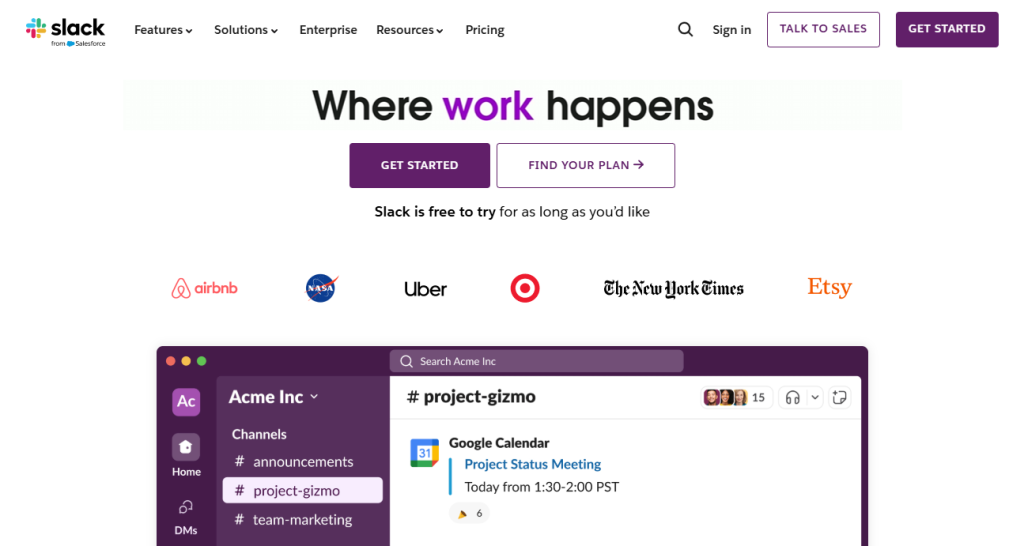
A strong first impression often hinges on clarity and simplicity. Businesses like Dropbox, Airbnb, and Slack use brief, punchy headlines that leave no room for confusion. The moment a visitor lands on their homepage, they understand the value proposition. A great website message doesn’t just inform—it resonates with the target audience, making them feel like they’ve found exactly what they need.
Takeaway: Use concise headlines and subtext to immediately inform visitors about your service or product.
2. Visually Stunning and Brand-Consistent Design
A website’s design is often the first thing a visitor notices. The combination of colors, typography, layout, and imagery plays a crucial role in building trust and reinforcing brand identity. A well-designed website should evoke a positive emotional response, making visitors want to stay and explore. It’s not just about looking pretty—it’s about usability and storytelling through design.
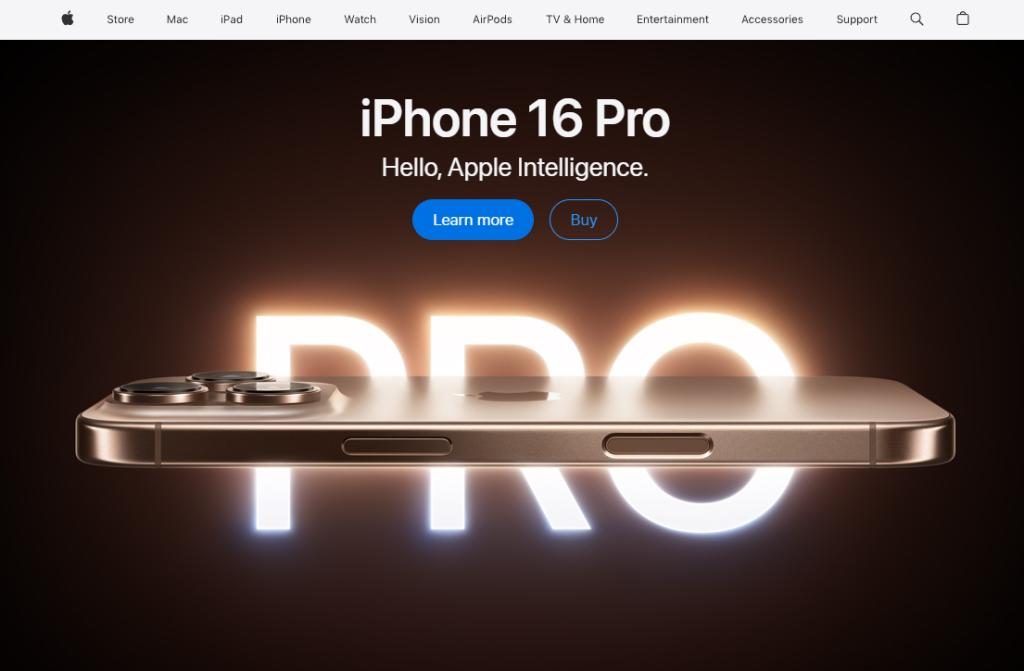
For example, Apple’s website embraces minimalism with clean lines, ample white space, and high-quality imagery that conveys a sense of sophistication. Nike’s bold visuals reflect the energy and passion of sports, while Mailchimp uses a quirky, friendly design to make digital marketing feel accessible and engaging. These brands leverage design elements to create a strong emotional connection with their audience.
Takeaway: Keep visuals clean, brand-aligned, and engaging to make a lasting first impression.
3. Fast and Efficient Loading Speed
Speed is one of the most critical factors in user experience. Studies show that if a page takes longer than three seconds to load, over half of users will abandon it. This means even the most beautifully designed website will fail if it doesn’t load quickly. Speed influences not only user retention but also search engine rankings, making it essential for overall performance.
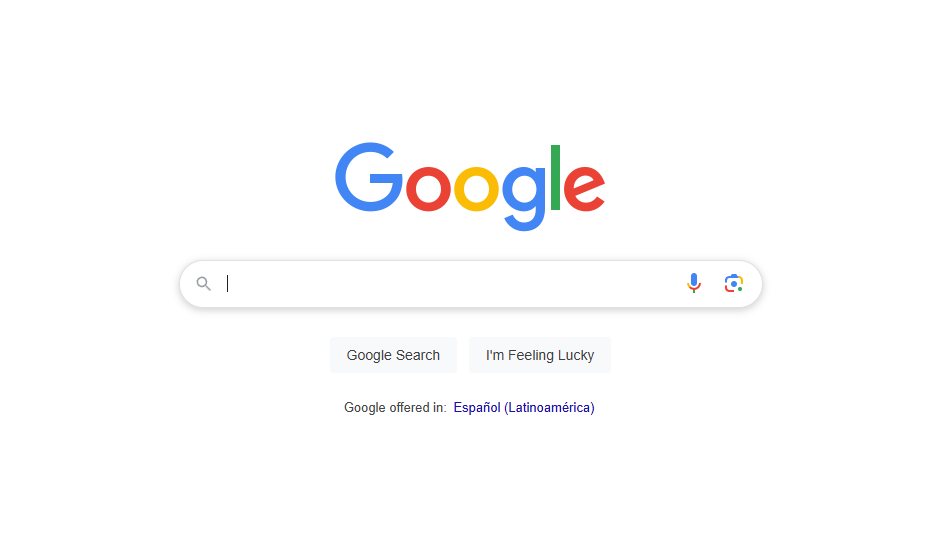
Brands like Google, Amazon, and Shopify prioritize speed through optimized images, caching, and efficient coding. They ensure that visitors don’t experience unnecessary delays, keeping engagement levels high. Google’s ultra-lightweight homepage loads instantly, while Amazon and Shopify use advanced content delivery networks (CDNs) to handle high traffic loads without lag. These optimizations significantly impact conversions and user satisfaction.
Takeaway: Use tools like Google PageSpeed Insights to test and improve your site’s speed.
4. Easy and Intuitive Navigation
Navigation plays a crucial role in guiding visitors through a website and helping them find the information they need quickly. A confusing or cluttered menu can frustrate users and drive them away. Great websites have clear, structured navigation that makes moving from one page to another seamless. Simple layouts, logical categories, and well-placed calls to action (CTAs) improve usability and engagement.
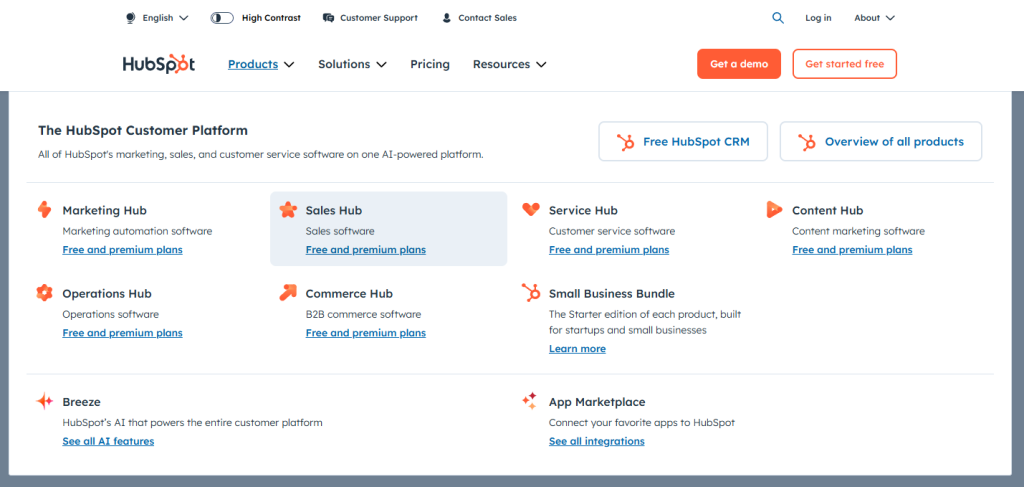
Zappos, BBC News, and HubSpot excel in navigation design by prioritizing user experience. Zappos categorizes products effectively, making shopping easy. BBC News presents articles in an organized manner, allowing readers to quickly access relevant content. HubSpot offers a user-friendly dropdown menu and search bar, ensuring visitors can locate tools and resources effortlessly. These websites show that intuitive navigation encourages users to explore further.
Takeaway: Make navigation intuitive with a clear menu structure and search functionality.
5. Engaging and Persuasive Copy
The words on a website play a huge role in influencing visitors. Great copywriting is not just about providing information; it’s about crafting a message that connects with the audience and persuades them to take action. The best websites use clear, compelling, and benefit-driven language to hook readers instantly. Avoiding jargon and keeping messaging concise ensures visitors quickly grasp the core message without feeling overwhelmed.
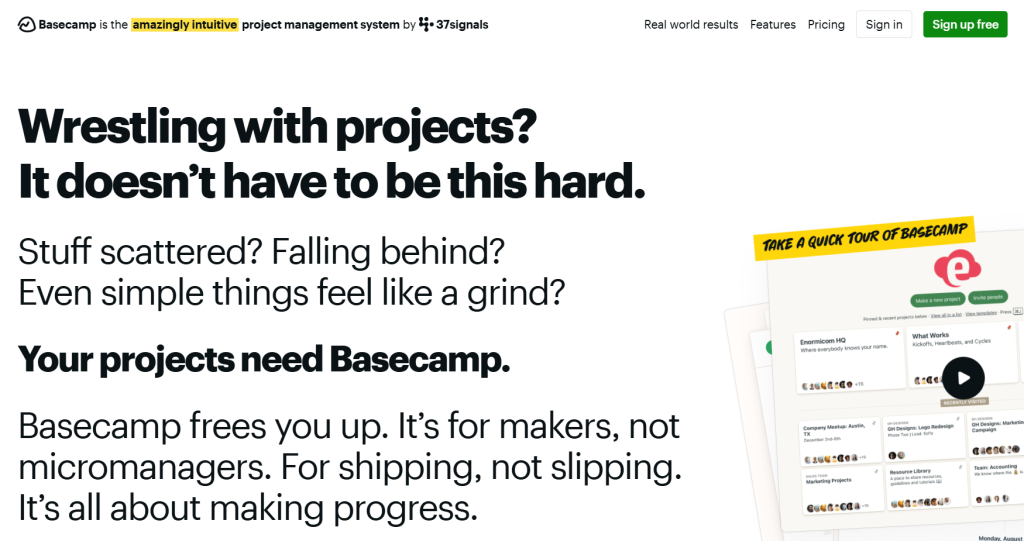
For example, Basecamp’s conversational tone makes project management feel approachable. Trello highlights its ease of use with simple, engaging language, while Spotify’s copy encourages immediate action with phrases like “Play millions of songs for free.” These brands understand that copywriting isn’t just about what you say—it’s about how you make the visitor feel.
Takeaway: Ensure your website copy is concise, benefits-driven, and easy to read to keep visitors engaged.
What about your website?
Now that we’ve discussed that making a great first impression with your website requires balancing message clarity, visuals, speed, navigation, and copy, is your website making the right first impression?
Use these examples as inspiration to refine your own site or let us help you create a high-performing, visually engaging, and fast-loading website that and turns first-time visitors into engaged users.
